
Perfectly round holes in your fascia, and woodpeckers arriving to widen them.
Carpenter bees drill half-inch entry holes into bare or weathered softwood, then tunnel with the grain to nest. On its own that's cosmetic. The real damage comes from two things: galleries reused and extended year after year, and woodpeckers tearing open the wood to reach the larvae inside.
What carpenter bee activity looks like
Spring is when it starts, and spring is when treatment works best.
- Round half-inch holesClean, almost drilled-looking entries in fascia, soffits, deck rails, pergolas, siding, and outbuilding trim. Nearly always on unpainted or weathered wood.
- Coarse sawdust belowFresh shavings on the deck, patio, or ground directly under the entry hole.
- Yellow stainingStreaks of excrement running down the siding or trim below active galleries.
- Hovering malesLarge bees patrolling aggressively near eaves and decks in spring. Males can't sting; the behavior is territorial display.
- Woodpecker damageRagged vertical tears opening up galleries. This is usually the point at which cosmetic becomes structural.
- Returning activityFemales often return to the structure they emerged from, so untreated properties see the same areas hit annually.
Treat, plug, seal — in that order
- Survey the whole envelopeFascia, rake boards, soffits, deck framing and rails, pergolas, playsets, sheds, and any exposed softwood. Galleries are frequently on the side of the house nobody walks past.
- Treat the galleriesProduct goes into the tunnel where the bees and developing larvae actually are. Surface spraying alone does not reach them.
- Wait, then plugPlugging immediately traps bees that will chew out through adjacent wood. We let treatment work, then seal the holes with dowel and filler.
- Prime and paint the woodCarpenter bees strongly prefer bare and weathered softwood. Painted surfaces are a genuine deterrent, and this is the step that reduces next spring's pressure.
- Check the following springBecause females return to their emergence site, the season after treatment tells you whether the property is actually clear.
Timing matters more here than with most pests
Carpenter bee treatment is far more effective in spring, when adults are actively provisioning new galleries, than in late summer after larvae have developed deep in the wood. If you noticed holes last year and did nothing, this spring is the window.
What we don't recommend
Plugging holes without treating first is the most common homeowner mistake — trapped bees simply tunnel sideways and exit through new wood, which turns one gallery into three. Likewise, treating without ever painting or sealing the wood means the same fascia gets drilled again the following April.
Where we provide this service
Northport, East Northport, Huntington, Halesite, Centerport, Greenlawn, Cold Spring Harbor, Fort Salonga, and the surrounding North Shore communities. See all service areas.
What this looks like in the field
Photos from actual jobs on the North Shore.
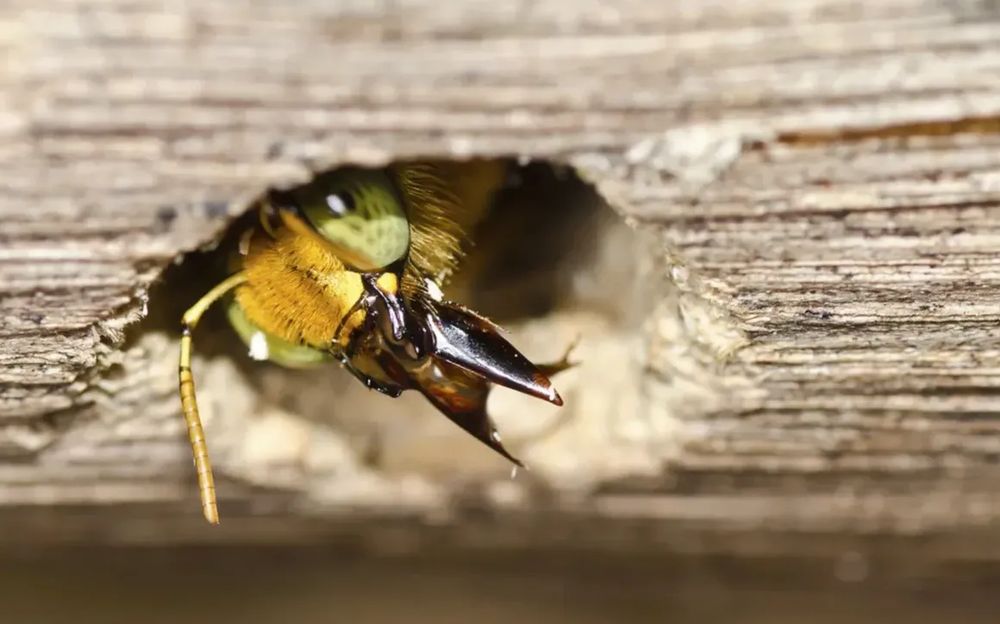
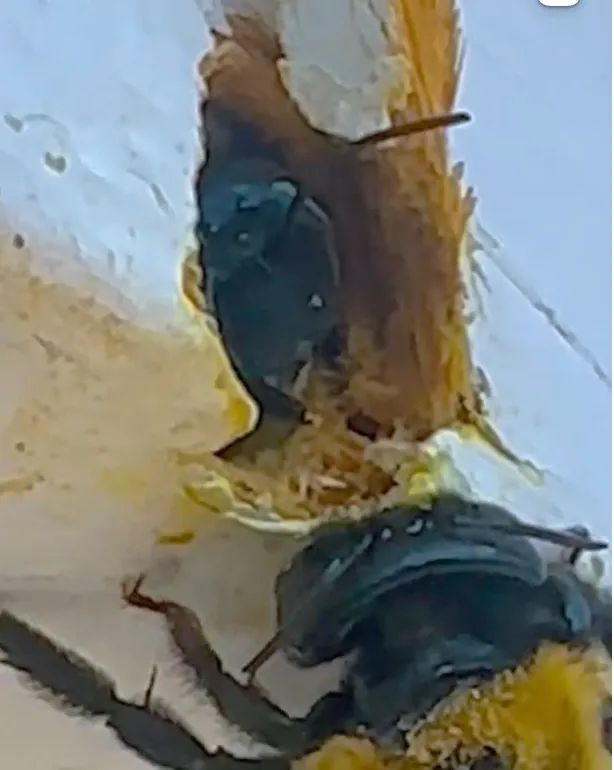
We'd had a terrible carpenter bee problem at our waterfront beach house for years and nothing ever seemed to truly solve it long term. Most companies just wanted to spray and leave. Steve approached the situation completely differently — explaining why the bees kept returning, working with us on painting and sealing the treated wood under the deck, placing traps in strategic areas, and applying a light treatment where activity historically returned. He focused on actually solving the problem long term instead of just providing a temporary fix.
Not sure what you're dealing with?
Send a photo by text and we'll tell you what it is. Identification is free, and it's the step that determines everything else.