Tick pressure on the North Shore is a habitat problem before it's a spray problem.
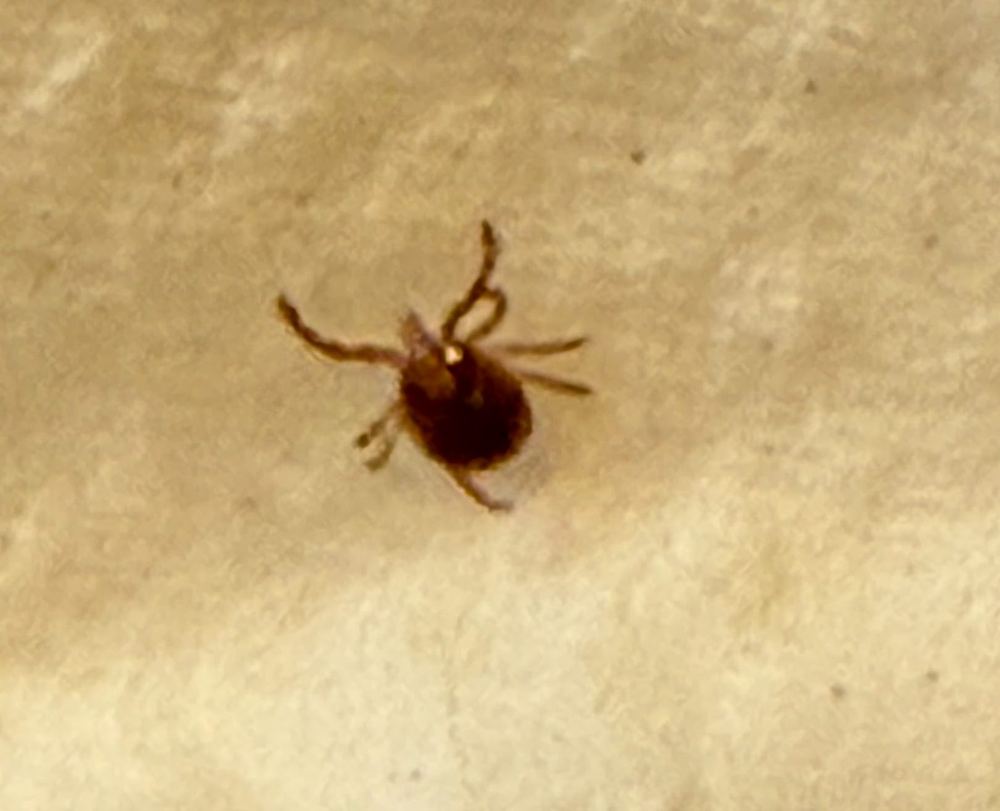
Suffolk County has some of the highest tick densities in the Northeast, and blacklegged ticks here carry Lyme, babesiosis, and anaplasmosis. Deer move freely through most North Shore neighborhoods, and the leaf litter and brush line at the edge of a wooded yard is where nymphs wait. We treat those zones specifically, and we tell you which yard conditions are working against you.
Where the pressure comes from
On most properties, a small percentage of the yard produces most of the problem.
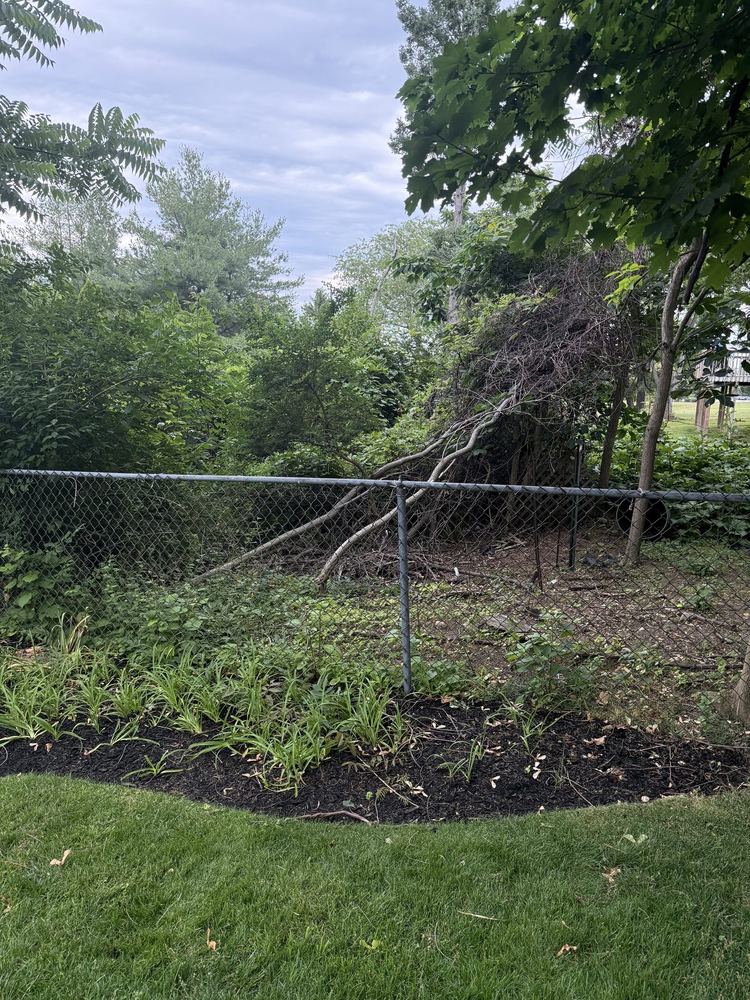
- The woodland edgeThe transition strip where lawn meets brush and leaf litter holds the overwhelming majority of questing ticks. It's also where people and pets cross.
- Leaf litter and ground coverDamp leaf layers, pachysandra, ivy, and dense ground cover hold the humidity ticks need to survive between hosts.
- Stone walls and woodpilesClassic small-mammal harborage. White-footed mice are the primary reservoir host for the Lyme bacterium on Long Island.
- Standing waterMosquitoes breed in remarkably little water. Clogged gutters, corrugated drain pipe, tarps, boat covers, plant saucers, birdbaths, and old tires all produce.
- Dense shaded vegetationAdult mosquitoes rest during the day in shaded, humid vegetation and under decks — which is exactly where treatment should be directed.
- Deer trafficDeer transport adult ticks onto properties. Regular browsing paths through a yard reliably raise tick counts.
How we reduce yard pressure
- Walk the propertyWe map woodland edges, harborage, resting sites, and every water source we can find. This is the part that determines whether treatment works.
- Source reduction firstWe identify standing water and habitat that can be eliminated outright. Removing breeding sites outperforms any product.
- Targeted perimeter and edge treatmentApplication focused on woodland edges, ground cover, brush lines, and shaded resting vegetation rather than blanket coverage of open lawn.
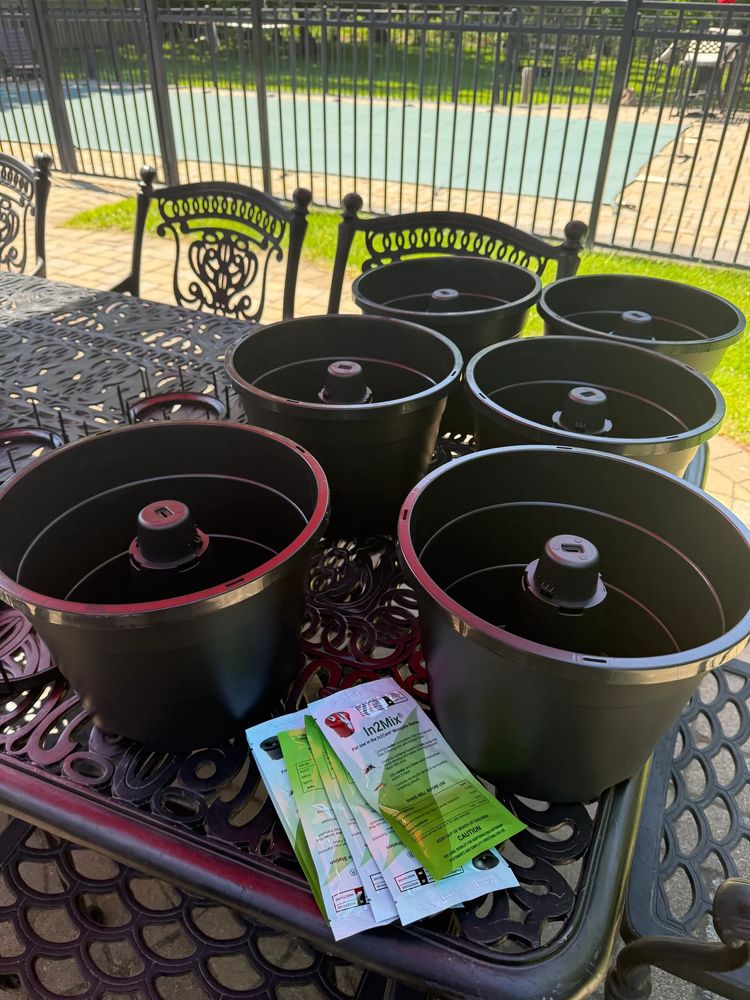
- In2Care stations where appropriateThese stations attract egg-laying females, contaminate them, and let them carry larvicide to other breeding sites they visit — including small ones no treatment could reach. They work at the breeding stage rather than the biting stage.
- Seasonal schedulingMosquito and tick pressure rises and falls through the season. Treatment intervals are set to the calendar, typically spring through early fall.
- Property recommendationsPractical changes — moving woodpiles, widening the lawn-to-woods transition, clearing gutters, thinning ground cover near play areas — that keep pressure down between visits.
In2Care mosquito stations
Where a property has persistent pressure or hard-to-find breeding sites, we offer In2Care stations as an added layer. The station attracts a female looking to lay eggs, coats her in a larvicide and a fungal agent, and she then carries that larvicide to every other container and puddle she visits before it kills her. It reaches the breeding sites you'd never find on a walkthrough — a clogged corrugated drain line, water in a tarp fold, a tree hollow.
It's a supplement to habitat reduction and targeted treatment, not a replacement for either. Combining all three is what produces results that last through the season.
What treatment can and can't do
Yard treatment substantially reduces mosquito and tick numbers in treated zones. It does not create a sealed barrier, and no honest company will tell you otherwise — deer, birds, and small mammals continually reintroduce ticks, and mosquitoes fly in from neighboring properties. The goal is meaningfully lower pressure in the areas where your family actually spends time.
Pollinator care
We time applications to avoid blooming plants and periods of active pollinator foraging, and we direct product at resting and harborage zones rather than flowering vegetation. If you keep a pollinator garden or hives, tell us at the walkthrough and we'll plan around it.
Personal protection still matters
Daily tick checks after time outdoors, permethrin-treated clothing for yard work, and prompt proper removal of attached ticks remain the most effective protections available. Treatment lowers the odds; it doesn't replace the habit.
Where we provide this service
Northport, East Northport, Huntington, Halesite, Centerport, Greenlawn, Cold Spring Harbor, Fort Salonga, and the surrounding North Shore communities. See all service areas.
What this looks like in the field
Photos from actual jobs on the North Shore.
Not sure what you're dealing with?
Send a photo by text and we'll tell you what it is. Identification is free, and it's the step that determines everything else.